Inquiry
Form loading...

What Is Turning Plastic Into Fuel and How Does It Work?

Plastic waste can persist for decades, while fuel demand continues across transport and industry. Turning Plastic Into Fuel explores one proposed response to this difficult contrast.

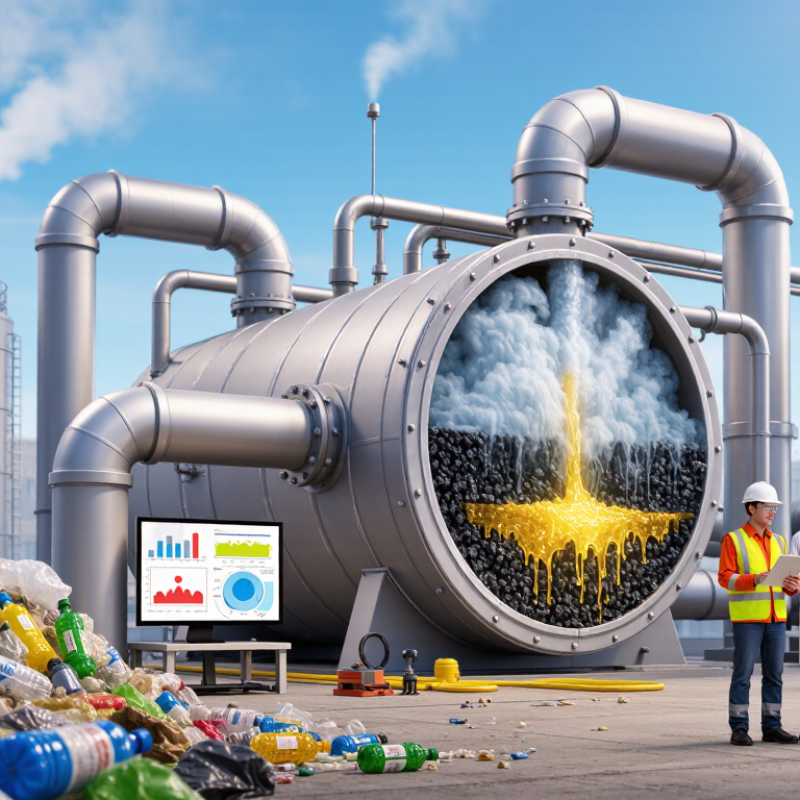
The process usually relies on pyrolysis. In a sealed reactor, controlled heat breaks plastic polymers into smaller hydrocarbon molecules. The resulting vapor can cool into liquid oil, while gases may provide process heat. Solid residues can also remain. These outputs require careful testing before any practical use.

Not all plastics behave alike. Small details matter. Moisture, dyes, additives, and chlorine can change the chemistry and increase treatment needs. Engineers working with mixed waste often face inconsistent feedstock, which can affect product quality and operating costs. Temperature control is important, but it is not the only concern.

A reliable assessment must examine the entire system. This includes collection, sorting, energy use, emissions control, worker safety, and final fuel applications. Qualified operators should follow applicable environmental standards and maintain transparent records. Independent laboratory testing can verify contaminants and heating value. Data quality varies.

The technology may reduce some landfill pressure, but it does not automatically create clean energy. It still uses heat and may produce emissions. Its climate benefits depend on the plastic source, reactor design, energy supply, and product destination. That tension deserves attention.

This article explains how the technology works, where it performs well, and where its promises become less certain. Some claims remain debatable. That uncertainty matters.
What Is Turning Plastic Into Fuel and How Does It Work?

What Turning Plastic Into Fuel Means

What turning plastic into fuel means is converting difficult-to-recycle plastic waste into usable hydrocarbons.

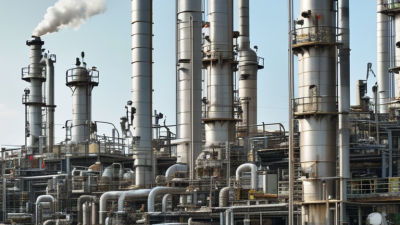
Most facilities use pyrolysis, heating plastic between roughly 350°C and 700°C without oxygen. The process breaks long polymer chains into vapors, oil, gas, and a small solid residue. After cooling and refining, the oil may become an industrial fuel or a chemical feedstock.

The scale is significant.

The OECD’s Global Plastics Outlook reported about 353 million tonnes of plastic waste in 2019, while only 9% was recycled. This explains the interest in alternative treatment. Still, the technology is not a magic solution. It works better with sorted polyethylene and polypropylene than with mixed, wet, or contaminated waste. PVC also needs careful control because chlorine can create corrosive compounds.

The economics remain uncomfortable.

Plants require steady waste supplies, heat, pollution controls, and reliable markets for their products. A 2023 UNEP report found that plastic pollution could fall by 80% by 2040 through broader system changes, including reuse and better recycling. Fuel conversion may support that effort, but it should not replace waste prevention.

Its climate value also depends on the energy source, transport distance, and final combustion. The process is useful. Its limits deserve equal attention.
Which Plastics Can Be Converted Into Fuel

Turning Plastic Into Fuel: Which Plastics Can Be Converted?

Not every plastic belongs in a fuel-conversion process. Polyethylene and polypropylene are usually the most suitable materials. They are common in packaging, containers, caps, and films. Polystyrene can also be processed, although its behavior depends on the equipment and operating temperature. These plastics contain hydrocarbon chains that can break into smaller molecules when heated without oxygen. This process is often called pyrolysis.

Polyvinyl chloride requires special caution because it contains chlorine. During heating, it can create corrosive compounds and may produce hazardous emissions without proper controls. Polyethylene terephthalate is also less attractive for fuel conversion. It contains oxygen-rich chemical groups and can produce more complex liquids. Food residue, metals, dyes, and mixed plastic layers further reduce product quality.

In my view, clean sorting is still the weak point. Technology cannot fully repair careless collection.

Tips: Check the resin identification code, but do not trust it alone. A facility should test the material, remove contamination, and monitor emissions continuously. Never attempt thermal conversion at home. Professional systems need controlled temperatures, gas treatment, fire protection, and laboratory testing. The resulting liquid is not automatically ready for an engine. It may require refining and must meet applicable safety and environmental standards. Some claims sound impressive. Independent measurements matter more.

How Plastic Waste Is Prepared for Processing

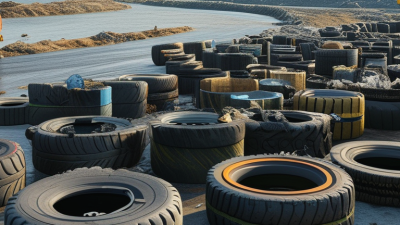
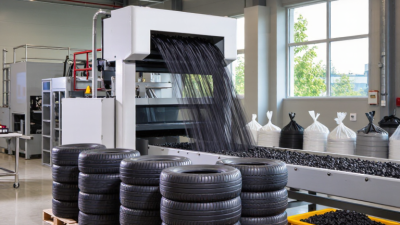
Turning plastic into fuel begins long before a reactor heats the material. The feedstock must be identified, sorted, cleaned, dried, and reduced to uniform flakes. This preparation improves heat transfer and limits unwanted compounds during pyrolysis. Pyrolysis uses heat without oxygen to break polymer chains into liquid oil, gas, and solid residue. The OECD’s Global Plastics Outlook reports that 353 million tonnes of plastic waste were generated in 2019, while only 9% was recycled. Better preparation cannot solve everything, but it can prevent avoidable processing losses.

Not every plastic belongs in the same batch. Polyethylene, polypropylene, and polystyrene are commonly considered suitable for thermal conversion. PVC requires strict control because chlorine can create corrosive compounds and treatment challenges. Workers usually remove food residue, metals, glass, labels, and excessive moisture. Shredders then create smaller pieces, often screened for consistent size. Operators may use near-infrared sorting, density separation, or laboratory testing to verify composition. The process is useful, but it is not magically clean. Pyrolysis oil still needs upgrading and quality testing before possible fuel use. UNEP’s 2023 Turning off the Tap report also warns that plastic pollution could nearly triple by 2040 without major intervention.

Tips: Keep incoming plastic dry and traceable. Record polymer type, moisture, and contamination levels. Small errors matter. A mixed bale may look acceptable, yet one overlooked chlorine-rich item can affect the entire run. Feedstock preparation needs discipline, not guesswork.

How Pyrolysis Breaks Plastic Into Useful Hydrocarbons

Plastic-to-fuel systems use pyrolysis to transform selected plastic waste into useful hydrocarbons.

Pyrolysis means heating material without enough oxygen for ordinary burning. In a sealed reactor, plastic softens, melts, and breaks into smaller chemical chains.

The process commonly operates between 350 and 700°C, depending on the plastic type and reactor design.

The vapor then moves into a cooling system. Some vapors condense into a liquid oil containing hydrocarbon compounds. Other gases remain non-condensable and may help provide process heat. A small solid fraction, often called char, can also remain.

Operators must control temperature carefully, because excessive heat can reduce liquid yield or create unwanted byproducts.

The oil is not automatically ready for every engine or refinery process. It may require filtration, distillation, and chemical testing.

Feedstock preparation matters more than many advertisements suggest.

PVC, food residue, metals, and wet materials can damage equipment or introduce chlorine and other contaminants. Experienced operators sort and monitor the plastic before heating it.

They also measure emissions, energy use, and product quality throughout the process. Pyrolysis can recover value from difficult plastic waste, but it does not erase waste management problems.

The technology still needs reliable collection, safe handling, and responsible fuel use.

It sounds neat. Real facilities are less tidy.

Yield figures can also change with contamination, reactor design, and local operating conditions.

How Plastic-Derived Fuel Is Refined and Used

Plastic-derived fuel begins with sorting, not a magic chemical trick. Facilities remove metals, glass, PVC, and wet materials before shredding the remaining plastic. The prepared feedstock enters a low-oxygen reactor, usually heated between 400°C and 700°C. This process, called pyrolysis, breaks long polymer chains into gas, wax, and liquid hydrocarbons. The liquid is then filtered, distilled, and often treated with hydrogen to remove sulfur, chlorine, and unstable compounds.

Refineries separate the upgraded oil into lighter and heavier fractions. Some fractions can become industrial fuel, while others may enter petrochemical production. Final use depends on quality, emissions limits, and local fuel standards. The OECD Global Plastics Outlook reported 353 million tonnes of plastic waste in 2019, but only 9% was recycled. That figure shows the scale of the challenge, not automatic proof that fuel conversion is the best answer. The process can reduce landfill demand, yet it still uses energy and may create emissions. Honestly, the carbon accounting remains imperfect.

Tips: Check the feedstock first. Mixed plastic produces less predictable oil. Ask for laboratory results covering chlorine, sulfur, ash, water, and heating value. Also verify whether the fuel meets applicable industrial standards. The International Energy Agency warns that chemical recycling needs strong collection systems and careful energy analysis. A shiny yield figure can hide weak environmental performance.