Why Should You Recycle Tires for a Sustainable Future?
As the world grapples with sustainability challenges, the need to recycle tires has become increasingly urgent. According to Dr. Emily Carter, an expert in waste management, "Recycling tires not only reduces landfill waste but also contributes to economic growth." Her insights highlight the multifaceted benefits of the recycling industry.
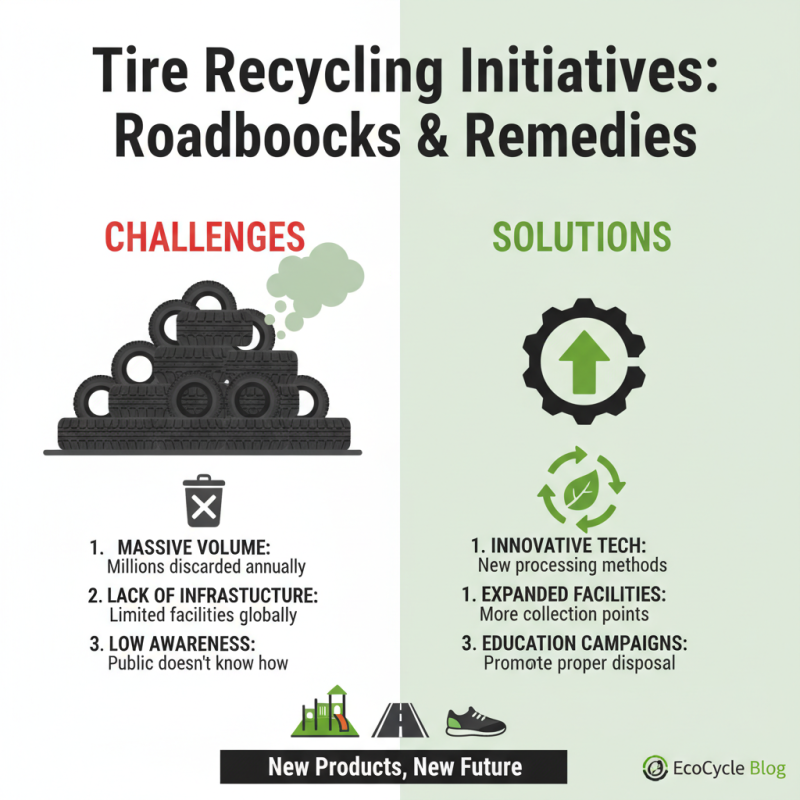
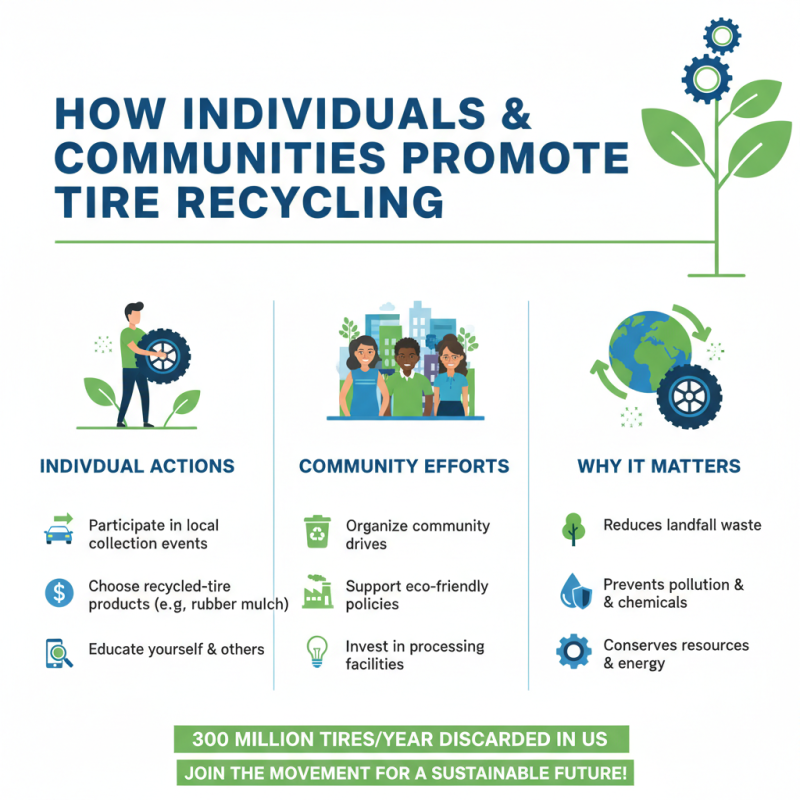
Annually, around 300 million tires are discarded in the United States alone. Many end up in landfills or are burned, releasing harmful emissions. By choosing to recycle tires, we can transform this waste into valuable resources. Products such as rubberized asphalt and playground surfaces stem from recycled tires. This process diminishes environmental harm and lessens the reliance on new materials.
However, the tire recycling industry faces challenges. Innovations in recycling methods are necessary to improve efficiency and reduce costs. Many still perceive tire recycling as a niche practice, lacking wide acceptance. It is crucial for communities to recognize the importance of this initiative. By embracing the concept of recycling tires, we can pave the way for a sustainable future while fostering awareness and responsibility in our everyday choices.
Benefits of Recycling Tires for Environmental Sustainability
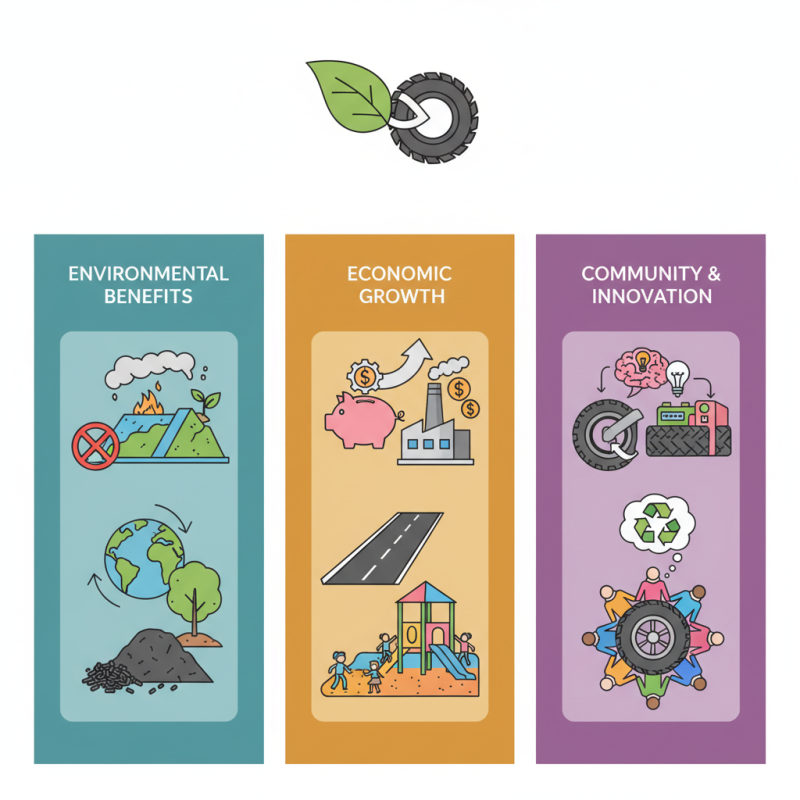
Recycling tires offers numerous benefits for environmental sustainability. Each year, approximately 300 million tires are discarded in the United States alone. According to the U.S. Environmental Protection Agency (EPA), nearly 80% of these tires can be reused or recycled. This process not only reduces waste in landfills but also conserves valuable resources.
Tires can be transformed into various products, such as playground surfaces, road materials, and rubber mulch. Studies indicate that recycling one ton of rubber from tires can save about 7,000 gallons of oil. This is a significant step toward reducing our reliance on fossil fuels. Moreover, recycling reduces greenhouse gas emissions. For every ton of tires recycled, it is estimated that 1.1 tons of CO2 emissions are avoided.
Despite the benefits, the tire recycling industry faces challenges. Some people remain unaware of recycling options in their communities. Additionally, local regulations can complicate tire disposal and processing. Addressing these issues requires collaborative efforts among environmental agencies and communities. Encouraging tire recycling can lead to a greener future, but it needs more public awareness and practical solutions to ensure success.
The Process of Tire Recycling: Methods and Technology Used
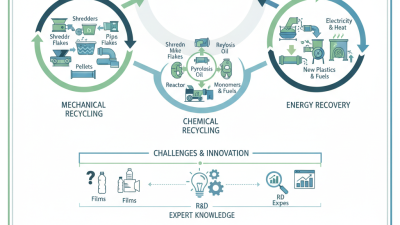
Recycling tires is essential for environmental sustainability. The process involves several methods and technologies that are vital in transforming old tires into useful products.
One common method is mechanical recycling. This involves shredding tires into smaller pieces. These bits are then used in various applications, including road surfaces, playgrounds, and sound barriers. It’s a straightforward yet effective process.
Another method is pyrolysis. This technology heats tires in an oxygen-free environment. The result is a set of valuable raw materials like oil, gas, and carbon black. These materials can be reused in the production of new tires or industrial products. However, pyrolysis requires significant energy input and careful management. This raises questions about its overall sustainability.
Water and soil contamination can occur during tire recycling. Improper handling of materials poses risks. Facilities should have robust environmental safety measures in place. This emphasizes the need for stringent regulations in the industry. Continuous innovation is necessary. Improvement in recycling methods can help tackle these challenges more effectively. Overall, the tire recycling process is impactful yet complex. Enhancing technology can lead to a more sustainable future.
Common Products Made from Recycled Tires and Their Applications
Recycling tires is essential for a sustainable future. Many valuable products can be created from recycled tires, reducing waste and conserving resources. One common product is rubber mulch. This durable material is often used in playgrounds and landscaping. It prevents soil erosion and keeps weeds at bay. Rubber mulch also provides cushioning, increasing safety for children at play.
Another innovative use is in construction materials. Recycled tires can be transformed into asphalt, enhancing road durability. This method not only helps in waste reduction, but also improves road performance. The flexible properties of rubber in asphalt create smoother surfaces and decrease noise pollution. Some studies even suggest that tire-derived products can outperform traditional materials.
Tips: Consider advocating for more recycling initiatives in your community. Educate others about the benefits of tire recycling. Explore local programs that accept old tires. It’s important to remember that while recycling is beneficial, not all facilities can handle this material. It’s worth researching your options for proper disposal.
Common Products Made from Recycled Tires and Their Applications
| Product |
Application |
Benefits |
| Rubber Mulch |
Landscaping and Playground Surfaces |
Durable, Weed Resistant, and Safe for Children |
| Tire-derived Fuel (TDF) |
Cement Kilns and Power Plants |
High Energy Content and Reduces Fossil Fuel Use |
| Recycled Rubber Products |
Mats, Flooring, and Athletic Surfaces |
Durability and Improved Traction |
| Road Surfaces |
Asphalt Modifier |
Enhanced Performance and Longevity of Roads |
| Playground Tiles |
Safety Surfaces for Children |
Shock Absorption and Safety Compliance |